
Best Shot Blasting Machine Manufacturers for Automotive and Foundry Use
How to Choose the Right Manufacturer
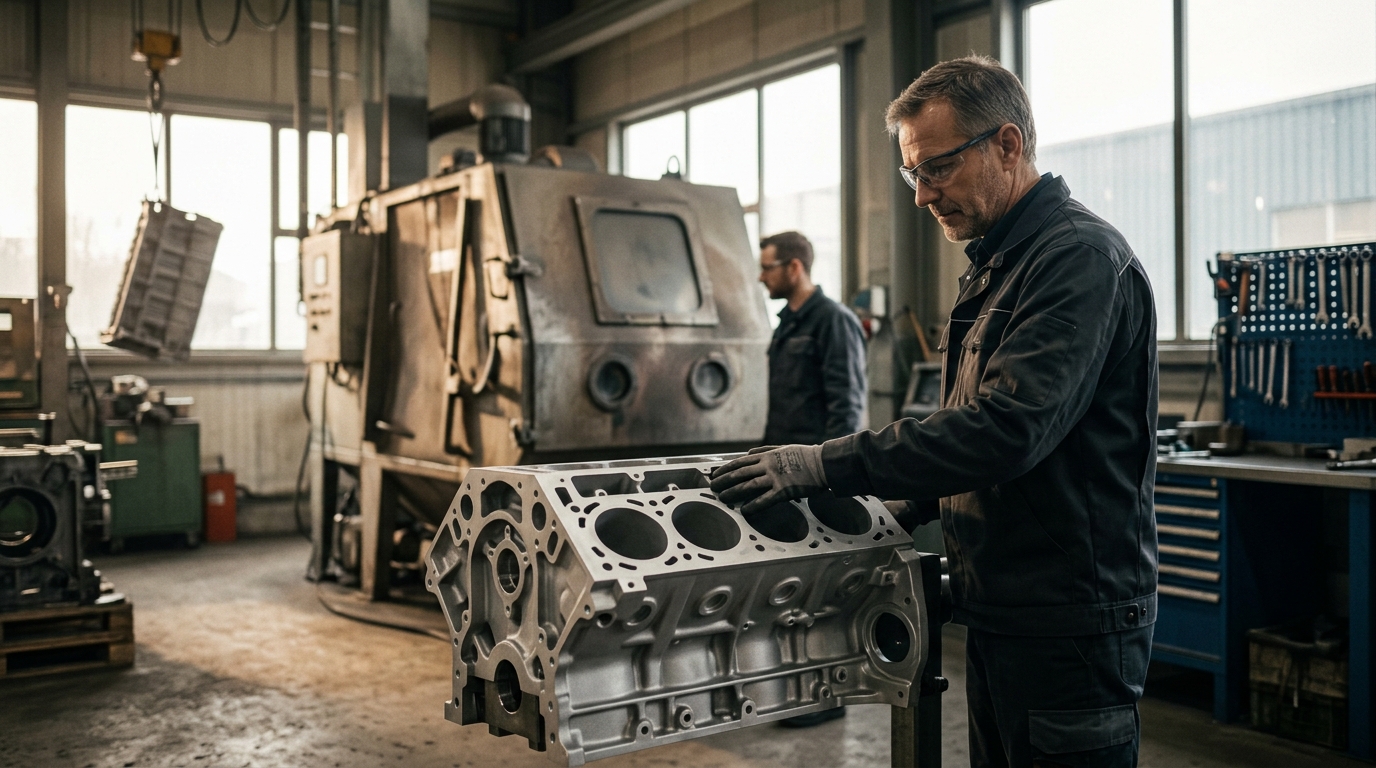
Shot blasting is a surface preparation process that uses high velocity abrasive media to clean, strengthen, or texture metal surfaces. When selecting a manufacturer, you must look beyond basic specifications. A good manufacturer understands the specific metallurgical needs of automotive castings and foundry components. They should offer a range of machine types, including table type, hangar type, and tumblast machines, tailored to your part geometry.
Technical Specialization
Product Range and Integration
Specific Questions to Ask Before Committing
Before signing a contract, you need to ask targeted questions that reveal the manufacturer's true capability. Do not settle for generic answers. Ask about the specific blast wheel designs, the recovery systems, and the control logic. These details determine the efficiency and quality of your surface preparation.
Machine Configuration Questions
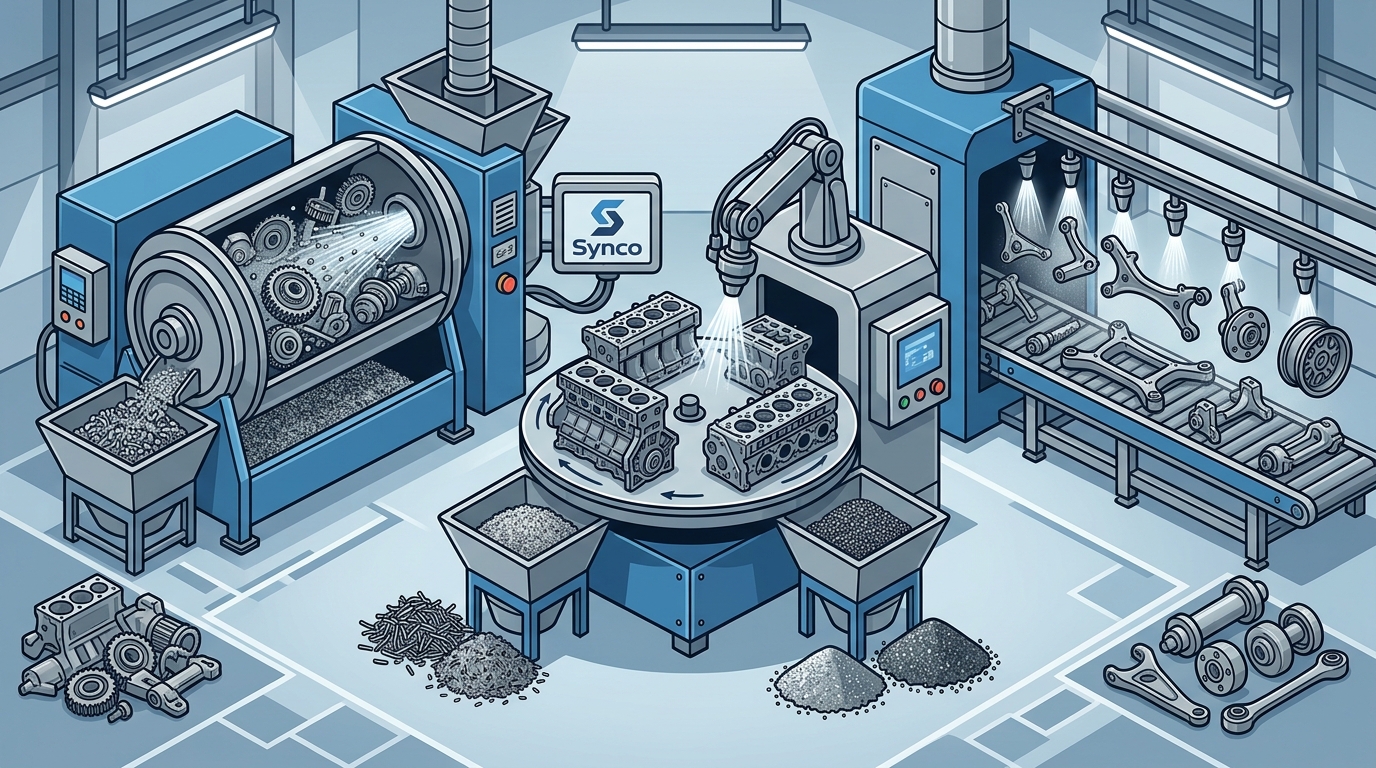
Ask how the machine handles your specific part size and weight. For example, Synco Industries offers swing table machines in various sizes, such as the 750, 900, 1200, 1800, and 2400 models. Ask which configuration best fits your largest component. Also, inquire about the number of blast wheels and their positioning. More wheels can increase throughput but may also increase wear on the part.
Media and Recovery Questions
Ask about the abrasive media compatibility. Does the machine work well with steel shots, ceramic media, or glass beads? Synco Industries manufactures its own abrasives, including steel shots and ceramic media. This in-house capability ensures that the media is optimized for their machines. Ask about the dust collection and media recovery systems. Efficient recovery reduces media consumption and improves environmental compliance.
How to Verify Claims and Credentials
Manufacturers often make bold claims about performance and durability. You must verify these claims with evidence. Check for customer references in your specific industry. Ask for case studies or project examples. Synco Industries has a projects page that showcases installations for major shipyards and public sector undertakings. Reviewing these real-world examples helps you understand the manufacturer's track record.
Checking Operational History
Look at the company's history and stability. Synco Industries has over 30 years of experience in the industry. This longevity suggests a stable business with a proven product line. Check their location and facility. Synco is located in the Heavy Industrial Area of Basni, Jodhpur, Rajasthan. A visit to the facility can provide insights into their manufacturing quality and scale.
Validating Technical Specifications
Request detailed technical datasheets. Verify that the specifications match your requirements. For instance, if you need a vacuum blasting machine, check the specific models like the P 15 R or SP 15 C. Ensure that the power requirements, dimensions, and cycle times are clearly defined. Do not rely on verbal assurances; get everything in writing.
How the Blasting Process Works
Understanding the operational workflow helps you evaluate the machine's suitability. The process typically involves loading the part, initiating the blast cycle, and unloading. In a table type machine, the part is placed on a rotating table. Blast wheels direct the abrasive media at the part from multiple angles. The cycle time depends on the part size and the desired surface finish.
Step by Step Process
First, the operator loads the part into the machine. The machine seals to contain dust and media. The blast wheels activate, and the media is propelled at high speed. The part rotates to ensure even coverage. After the cycle, the machine opens, and the part is unloaded. The media is recovered and separated from dust and debris. This cycle repeats for each part.
Automation and Control
What Drives the Cost of Blasting Equipment
The cost of a shot blasting machine varies based on several factors. The size of the machine, the number of blast wheels, and the level of automation all impact the price. Larger machines with more wheels and advanced controls will cost more. However, the initial cost is only part of the equation. You must also consider the cost of media, maintenance, and energy consumption.
Initial Investment Factors
The machine type is a major cost driver. Table type machines are generally more affordable than large hangar type machines. Tumblast machines, which use a rotating drum, are often used for smaller parts and can be cost-effective. Synco Industries offers a range of options, from the 16x22 tumblast machine to the 36x42 model. The choice depends on your production volume and part size.
Operational Costs
Common Mistakes and How to Avoid Them
Many manufacturers make mistakes when selecting blasting equipment. One common error is choosing a machine that is too small for the part. This leads to incomplete coverage and rework. Another mistake is ignoring the dust collection system. Poor dust control can lead to environmental violations and health hazards. Always ensure that the machine meets local environmental regulations.
Ignoring Part Geometry
Part geometry affects blasting efficiency. Complex shapes with cavities or recesses may require specific wheel positions or media types. A machine that works well for flat parts may not be suitable for complex castings. Discuss your part geometry with the manufacturer. Synco Industries can provide customized solutions for specific part shapes.
Underestimating Maintenance
Blasting machines require regular maintenance. Wear parts like blast wheel vanes, nozzles, and seals need periodic replacement. Underestimating maintenance needs can lead to unexpected downtime. Establish a maintenance schedule and keep spare parts on hand. Synco Industries offers a range of spares, including blast wheels, nozzles, and valves, to support your maintenance needs.
Shot Blasting Versus Alternative Surface Preparation
Shot blasting is not the only option for surface preparation. Other methods include sand blasting, chemical cleaning, and mechanical grinding. Each method has its advantages and disadvantages. Shot blasting is generally faster and more consistent than manual grinding. It is also more environmentally friendly than chemical cleaning, as it does not use hazardous chemicals.
| Method | Speed | Consistency | Environmental Impact | Best For |
|---|---|---|---|---|
| Shot Blasting | High | High | Low (with dust control) | Automotive castings, foundry parts |
| Sand Blasting | Medium | Medium | Medium | General cleaning, texture |
| Chemical Cleaning | Low | High | High | Delicate parts, specific finishes |
| Mechanical Grinding | Low | Low | Low | Small batches, repair |
Shot blasting is the preferred method for automotive and foundry applications due to its speed and consistency. It can also improve the fatigue life of parts through shot peening. This makes it a versatile and valuable process for high volume manufacturing.
Application Specifics for Automotive and Foundry
Automotive and foundry applications have specific requirements that differ from other industries. Automotive parts often require a specific surface finish for painting. Foundry parts may need to have oxide scale removed to ensure proper coating adhesion. The choice of abrasive media and machine configuration is critical in these cases.
Automotive Applications
For automotive parts, the goal is often to prepare the surface for painting. This requires a clean, uniform surface without excessive texture. Glass beads or fine steel shots are often used for this purpose. Synco Industries offers glass beads and fine steel shots that are suitable for automotive applications. The machine must be configured to provide even coverage without damaging the part.
Foundry Applications
Foundry parts often have a thick layer of oxide scale that must be removed. This requires a more aggressive media, such as coarse steel shots or cut wire shots. The machine must have sufficient power to remove the scale efficiently. Synco Industries' cut wire shots are designed for this purpose. They are durable and provide a consistent blast pattern.
Industry Rules and Safety Protections
Shot blasting is a hazardous process if not managed correctly. Operators are exposed to dust, noise, and flying debris. Proper safety equipment and machine design are essential. The machine must have adequate dust collection to protect the operator's health. It must also have safety interlocks to prevent the machine from operating while the door is open.
Regulatory Compliance
Operator Safety
Operators must be trained on the safe operation of the machine. They must wear appropriate personal protective equipment, including respirators, ear protection, and safety glasses. The machine should have clear signage and emergency stop buttons. Regular safety audits can help identify and address potential hazards.
Local Specifics for Indian Manufacturing
Manufacturing in India has specific considerations that affect the choice of blasting equipment. The local supply chain for spares and media is important. Synco Industries is based in Jodhpur, Rajasthan, which is a major industrial hub. This location provides access to a skilled workforce and a robust supply chain. It also makes it easier to provide local support and service.
Supply Chain and Support
Cost Considerations
Timing Your Equipment Purchase
The timing of your equipment purchase can impact the outcome. Buying during a period of high demand may lead to longer lead times. It is best to plan your purchase well in advance. Discuss your production schedule with the manufacturer to ensure that the machine is delivered and installed in time. Synco Industries can provide lead time estimates based on the specific machine configuration.
Production Ramp Up
If you are ramping up production, you may need to phase in the equipment. Start with a smaller machine to test the process, then scale up to a larger machine. This approach reduces risk and allows you to optimize the process before committing to a larger investment. Synco Industries offers a range of machine sizes to support phased implementation.
Market Conditions
Market conditions can affect the availability and price of equipment. Economic downturns may lead to discounts on equipment, while booms may lead to price increases. Monitor market trends and time your purchase accordingly. However, do not delay a critical purchase solely to wait for a discount. The cost of downtime may outweigh the savings.
Measurable Outcomes and Long Term Results
The long term results of using a high quality shot blasting machine are measurable. You can track metrics such as cycle time, media consumption, and surface finish quality. These metrics help you evaluate the performance of the machine and identify areas for improvement. Synco Industries' machines are designed for consistent results, which helps you achieve predictable outcomes.
Key Performance Indicators
Track the cycle time for each part. A consistent cycle time indicates a stable process. Monitor media consumption to identify inefficiencies. A sudden increase in media consumption may indicate a problem with the recovery system. Measure the surface finish quality using standard methods. Consistent surface finish is critical for downstream processes like painting.
Long Term Reliability
Long term reliability is a key benefit of investing in a high quality machine. A reliable machine has lower maintenance costs and less downtime. Synco Industries' machines are built for long operational life. They use high quality components and robust design. This reliability translates into lower total cost of ownership over the life of the machine.
Key Takeaways
- Choose a manufacturer with specific expertise in automotive and foundry applications.
- Ask detailed questions about machine configuration, media compatibility, and recovery systems.
- Verify claims by reviewing project examples and visiting the manufacturer's facility.
- Understand the operational workflow and how it fits your production line.
- Consider both initial investment and ongoing operational costs.
- Avoid common mistakes like ignoring part geometry and underestimating maintenance.
- Compare shot blasting with alternative methods to ensure it is the right choice.
- Ensure compliance with local safety and environmental regulations.
Frequently Asked Questions
What is the best shot blasting machine for automotive castings?
For automotive castings, a table type or hangar type machine with fine steel shots or glass beads is often best. The machine should provide even coverage and a consistent surface finish for painting. Synco Industries offers various table type machines that are suitable for this application.
How do I choose the right abrasive media for foundry parts?
For foundry parts, coarse steel shots or cut wire shots are typically used to remove oxide scale. The choice depends on the thickness of the scale and the desired surface finish. Synco Industries manufactures a range of abrasives, including cut wire shots, that are optimized for foundry applications.
What is the difference between shot blasting and sand blasting?
Shot blasting uses spherical media like steel shots, while sand blasting uses angular media like sand. Shot blasting is generally faster and more consistent, and it can improve the fatigue life of parts. Sand blasting is often used for general cleaning and texturing.
How much does a shot blasting machine cost?
What are the safety requirements for shot blasting machines?
Shot blasting machines must have adequate dust collection, safety interlocks, and noise reduction features. Operators must wear personal protective equipment, including respirators and ear protection. The machine must comply with local safety and environmental regulations.
How long does it take to install a shot blasting machine?
Can I use the same machine for different types of parts?
Yes, many shot blasting machines can be used for different types of parts. However, the machine configuration and media type may need to be adjusted for each part. For example, a machine used for automotive castings may need to be reconfigured for foundry parts. Synco Industries offers customized solutions for specific part shapes.
What is the lifespan of a shot blasting machine?
The lifespan of a shot blasting machine depends on the quality of the components and the maintenance schedule. A well maintained machine can last for many years. Synco Industries' machines are designed for long operational life. Regular maintenance of wear parts like blast wheels and nozzles is essential to extend the machine's lifespan.
Conclusion
Selecting the right shot blasting machine manufacturer is a critical decision for automotive and foundry manufacturers. By evaluating technical capability, verifying claims, and understanding the operational workflow, you can make an informed choice. Synco Industries offers a comprehensive range of shot blasting machines, abrasives, and spares designed for these demanding applications. To discuss your specific requirements, for a free quote.