

Industrial surface preparation is the critical first step in ensuring the longevity and performance of heavy fabrication, structural steel, and automotive components. According to recent industry data, proper surface treatment can extend the lifespan of coated metal structures by up to 50 percent, making the choice of equipment a decisive factor in operational ROI. This guide outlines the precise engineering steps required to integrate high-performance shot blasting and thermal spray systems into your manufacturing workflow. (Contact Us 8211 Synco)
Understanding Surface Preparation Standards
Before installing hardware, it is essential to define the target surface profile. Surface preparation is the process of cleaning and texturing a metal surface to ensure optimal adhesion for subsequent coatings or thermal spray layers. The industry standard for this process is defined by organizations like NACE International, which provides detailed classifications for surface cleanliness.
Shot blasting is a mechanical process that uses high-speed centrifugal wheels to throw abrasive media against a surface. This action removes rust, scale, and old coatings while creating a uniform anchor pattern. The depth of this anchor pattern, measured in microns, directly correlates with the bond strength of the final protective layer. For heavy structural steel, a profile depth of 50 to 75 microns is typically required to meet rigorous industrial standards.
Thermal spray is a group of surface coating processes where molten or semi-molten materials are delivered at high velocity to a prepared surface. Thermal spray is a versatile coating technique used to apply wear-resistant, corrosion-resistant, or heat-resistant layers to metal substrates. By combining these two technologies, manufacturers achieve a dual-defense system: mechanical interlock from the blasting and chemical/metallurgical bonding from the spray.
Designing the Shot Blasting Infrastructure
The foundation of any effective surface treatment line is the shot blasting machine itself. Synco Industries manufactures a wide range of shot blasting solutions, including table type, hangar type, and portable units, each designed for specific throughput and component size requirements. The selection process begins with analyzing the geometry and weight of the parts to be treated.
Machine Selection Criteria
For large structural beams and heavy fabrication, a hangar type shot blasting machine is often the most efficient choice. These systems allow parts to be suspended on hooks, enabling 360-degree coverage without the need for complex fixturing. For smaller, high-volume components, a tumblast machine or a table type unit provides faster cycle times and better media retention.
When configuring the system, consider the following critical components:
- Centrifugal Wheels: The heart of the machine. High-quality wheels ensure consistent media velocity and uniform surface finish.
- Separation System: A screw conveyor and air wash separator are vital for recycling media. This system removes dust and broken media, ensuring only clean, sharp abrasives are recirculated.
- Dust Collection: Industrial dust collectors must be integrated to maintain air quality and comply with environmental regulations. Proper filtration prevents abrasive contamination and protects operator health.
Synco Industries offers customized blasting machines that are tailored to specific industry applications and production needs. Their engineering team works closely with clients to design systems that minimize downtime and maximize operational efficiency. For more details on their engineering-driven manufacturing approach, visit the About Us page.
Integrating Thermal Spray Technologies
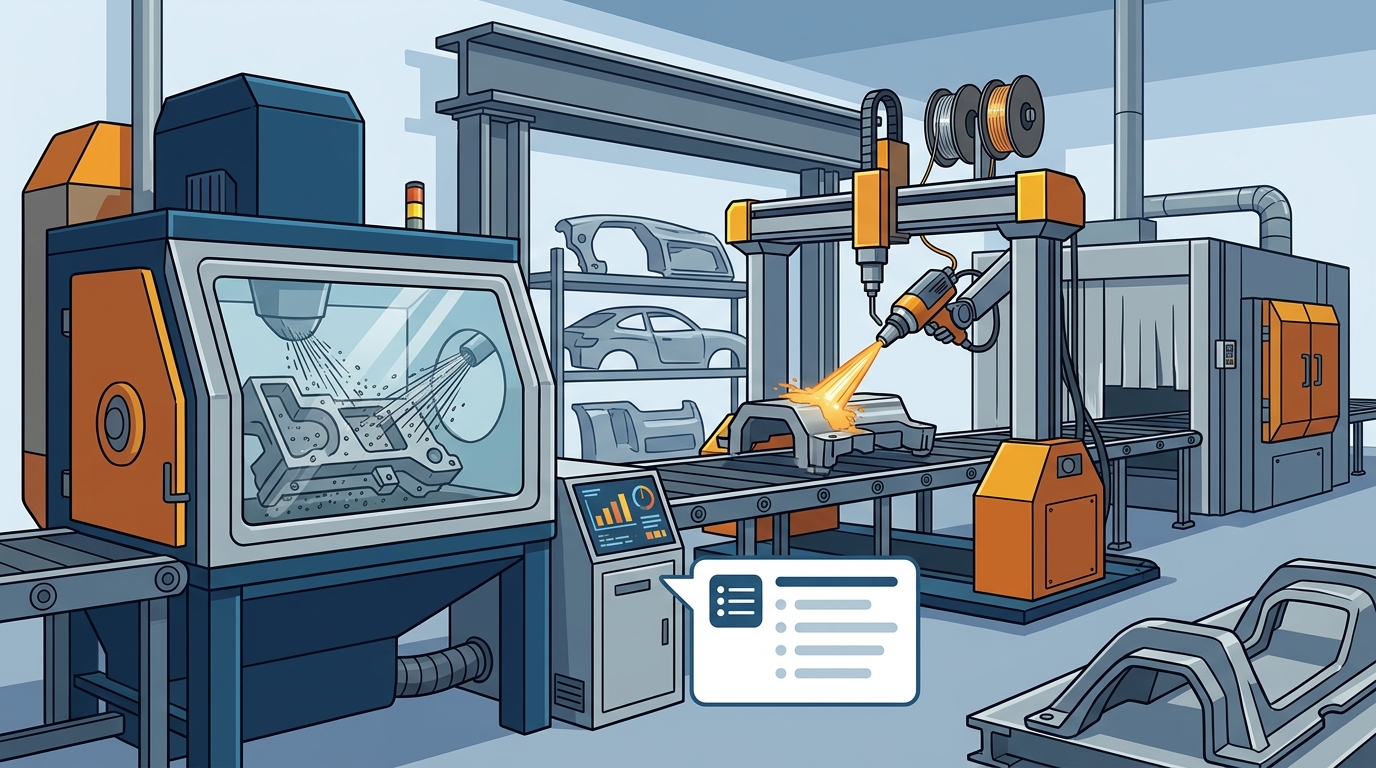
Once the surface is prepared, the thermal spray process begins. This stage requires precise control over temperature, particle velocity, and spray distance. Synco Industries provides advanced Arc Spray Systems and Flame Spray Systems, which are designed for metallizing and applying durable protective coatings.
Arc vs. Flame Spray
Arc spray systems use an electric arc to melt two consumable wire electrodes. The molten material is then atomized by compressed air and sprayed onto the substrate. Arc spray is known for its high deposition rates and cost-effectiveness, making it ideal for large-scale industrial applications. The Synco Arc Jet System is engineered for consistent performance in demanding environments.
Flame spray systems, such as the S5k Flame Spray System, use a combustion of gases to melt the coating material. This method offers greater flexibility in terms of coating materials, including powders and cermets that cannot be melted by an electric arc. Flame spray is particularly useful for applying specialized wear-resistant coatings to critical components.
Integration of these systems requires careful planning of the blast room layout. The thermal spray booth must be positioned to allow for easy access to the blasted surface while maintaining a clean environment. Contamination from dust or oil can severely compromise the bond strength of the thermal spray coating. For information on their thermal spray equipment, explore the Thermal Spray Equipments category.
Selecting the Right Abrasives and Media
The performance of the shot blasting process is heavily dependent on the type of abrasive media used. Cut wire shots are a popular choice for their durability and ability to produce a consistent surface profile. Cut wire shots are cylindrical steel abrasives made from drawn wire, offering high impact resistance and low dust generation.
Other media options include steel grit, glass beads, and ceramic abrasives. Steel grit is angular and provides a deeper anchor pattern, making it suitable for heavy rust removal. Glass beads are spherical and produce a smoother finish, often used for cosmetic preparation or stress relief. Synco Industries supplies a comprehensive range of abrasives, including Cut Wire Shots and plastic grit, to meet diverse industrial requirements.
Regular monitoring of media size and shape is essential. Broken media should be removed by the separation system to prevent damage to the workpiece and the machine. Maintaining a clean media inventory ensures consistent surface quality and reduces operational costs.
Quality Assurance and Regulatory Compliance
Operating a surface treatment system requires strict adherence to quality standards and safety regulations. Synco Industries ensures quality of Equipments/ Machines/ Consumables supplied by it using robust Quality Control Processes. Their machines are CE certified, ensuring compliance with European safety standards, and the company holds ISO certification for its management systems.
Key compliance areas include:
- Air Quality: Dust collection systems must meet local environmental regulations for particulate matter emissions.
- Noise Control: Shot blasting generates significant noise. Enclosures and acoustic dampening materials are necessary to protect operators.
- Surface Profile Verification: Regular testing using replica tape or profilometers ensures the surface profile meets specification.
For clients requiring third-party validation, Synco actively engages Third Party Inspectors from reputed companies to further ensure quality of products supplied. This commitment to quality is reflected in their long list of clients, including ISRO, HMT, and the Indian Navy. Learn more about their quality assurance philosophy on the About page.
Key Takeaways
- Established Expertise: Synco Industries has been a leader in surface treatment solutions since 1982, bringing over 40 years of engineering experience to every project.
- Comprehensive Product Range: The company offers everything from shot blasting machines and thermal spray systems to abrasives and spare parts, providing a one-stop solution for industrial needs.
- Customization Capability: Tailor-made solutions are developed to match specific industry applications, ensuring optimal performance for unique production requirements.
- Global Reach: With over 1000 clients globally, Synco's systems are trusted in diverse sectors including automotive, foundry, and infrastructure.
- Quality Certification: All machines are CE certified, and the company maintains ISO certification, ensuring international standards of safety and quality.
- Advanced Infrastructure: The manufacturing unit is equipped with advanced machinery like Okuma 5 Axis VMC and LMW CNC machines, ensuring precision in every component.
- Client Portfolio: Trusted by major organizations such as ISRO, HMT, and the Indian Navy, demonstrating reliability in high-stakes environments.
Frequently Asked Questions
What is the difference between shot blasting and sandblasting?
Shot blasting uses centrifugal wheels to propel steel media at high speeds, providing a more consistent and controllable surface profile. Sandblasting uses compressed air to blow abrasive material, which can be less uniform and generates more dust.
How often should shot blasting media be replaced?
Media should be replaced when it becomes too small or rounded to effectively clean the surface. Regular monitoring of the separation system and surface profile checks will determine the optimal replacement schedule.
Can Synco Industries customize a blast room for my facility?
Yes, Synco Industries specializes in customized blasting machines and blast room designs tailored to specific production needs, component sizes, and facility layouts.
What types of thermal spray systems does Synco offer?
Synco offers Arc Spray Systems and Flame Spray Systems, including the Synco Arc Jet System and S5k Flame Spray System, for various metallizing and coating applications.
Is the equipment suitable for heavy structural steel?
Absolutely. Hangar type shot blasting machines and large-scale thermal spray systems are specifically designed for heavy fabrication and structural steel applications.
What certifications do Synco's machines hold?
Synco's machines are CE certified, and the company holds ISO certification, ensuring compliance with international safety and quality standards.
How does Synco ensure product quality?
Synco uses robust Quality Control Processes and engages third-party inspectors to ensure the quality of all equipment and consumables supplied.
Partner with Synco Industries
Setting up a complete surface treatment system is a complex engineering challenge that requires expertise in both mechanical design and material science. Synco Industries provides the comprehensive solutions, from shot blasting machines to thermal spray equipment, needed to achieve industrial excellence. Their commitment to precision engineering and customized solutions ensures that your surface treatment line will deliver consistent results and long operational life.
For a free quote or to discuss your specific requirements, contact Synco Industries directly. Their team of experts is ready to help you design a system that meets your production goals and budget. Visit the Contact Us page to get started.