
What Makes a Shot Blasting Machine Effective for Surface Preparation?
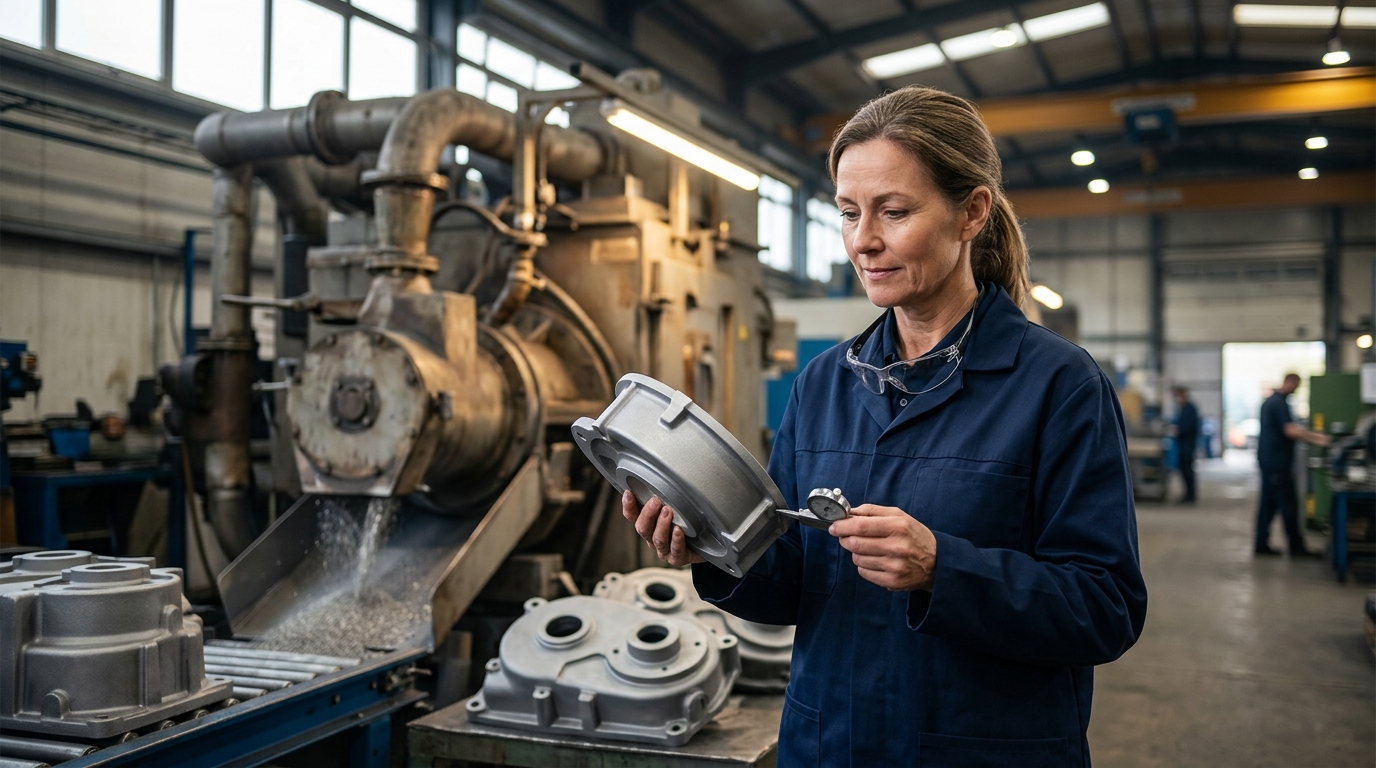
Effectiveness in shot blasting is determined by the precise alignment of abrasive media, machine configuration, and process control. Synco Industries designs these systems to ensure consistent surface profile and cleanliness. The right machine removes contaminants without damaging the base material. This alignment directly impacts coating adhesion and asset longevity.
The Role of Abrasive Media Selection
Machine Configuration and Power Delivery
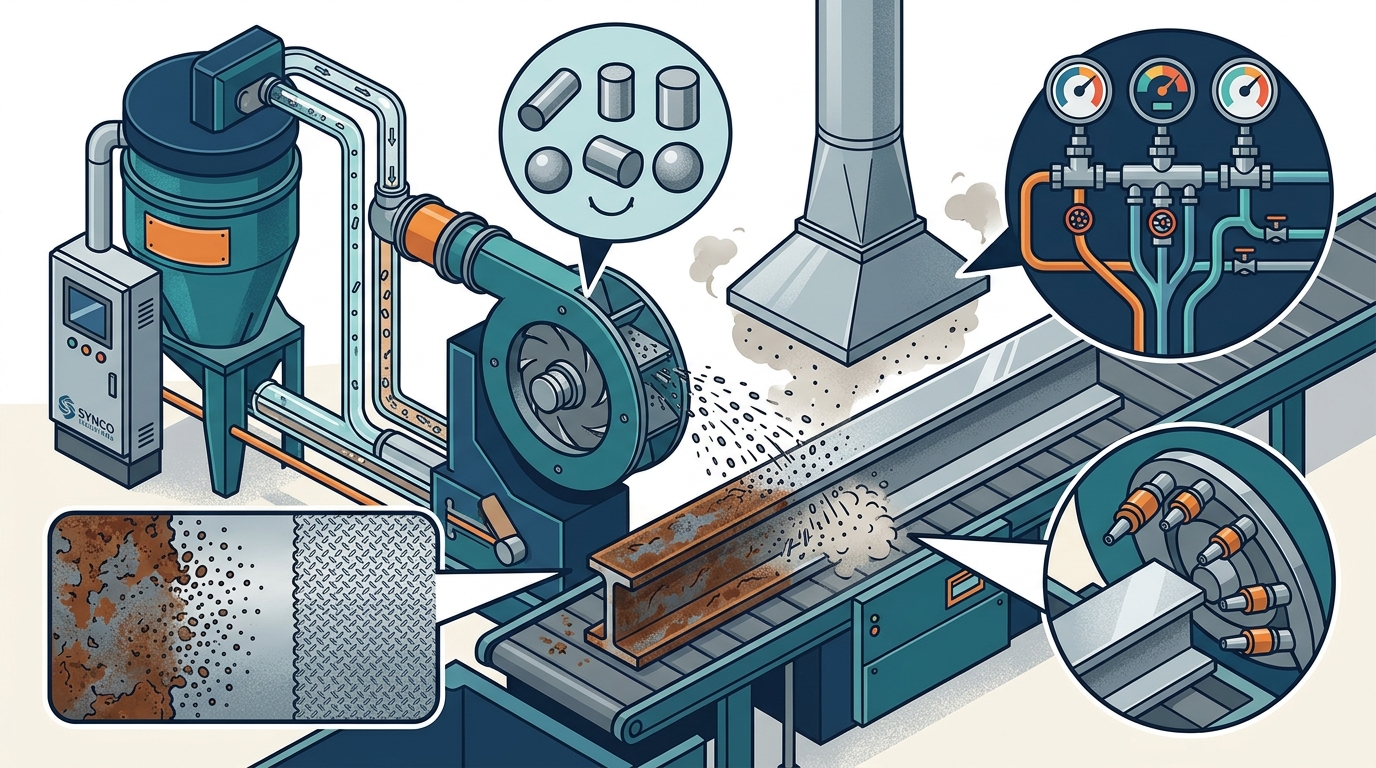
The mechanical design of the blaster dictates how energy is transferred to the workpiece. Airless machines use centrifugal force to accelerate media, providing higher impact energy than air-assisted models. This configuration is essential for heavy-duty cleaning tasks. For example, a airless blasting machine can handle thicker rust layers more efficiently. The power of the drive system must match the volume of the workpiece. Insufficient power leads to incomplete cleaning, while excessive power can cause substrate deformation.
Process Control and Consistency
Effective surface preparation requires repeatability across every batch. Process control involves monitoring media flow, pressure, and nozzle positioning. Automated systems reduce human error and ensure uniform coverage. Synco Industries integrates advanced controls into their equipment to maintain these parameters. Consistency is vital for industries like automotive and aerospace where coating failure is not an option. A well-controlled process ensures that every square inch of the surface meets the required standard.
Safety and Media Recovery Systems
Operational safety and environmental compliance are non-negotiable in modern blasting. Dust and media recovery systems capture airborne particles and separate usable media from waste. This reduces operational costs and protects worker health. A vacuum blasting machine is an excellent example of a system designed with containment in mind. These systems use negative pressure to keep the work area clean. Proper recovery also extends the life of the abrasive media, improving the return on investment.
Matching the Machine to the Application
There is no single machine that fits every industrial need. The effectiveness of a blaster depends on how well it matches the specific application. Large structural components may require a hangar type shot blasting machine for full enclosure. Smaller parts might be better suited for a portable or table-type unit. Understanding the geometry and volume of the workpiece is the first step in selection. Synco Industries provides customized solutions to ensure the machine fits the production line.
Key Takeaways
- Media selection is the most critical factor in determining surface profile and cleanliness.
- Automated process controls ensure consistency and reduce human error.
- Media recovery systems lower costs and improve workplace safety.
- The machine configuration must match the size and geometry of the workpiece.
- Proper maintenance of nozzles and wear parts is essential for sustained performance.
Frequently Asked Questions
What is the difference between shot blasting and sandblasting?
Shot blasting uses spherical media like steel shot, while sandblasting uses angular media like silica sand. Shot blasting is generally preferred for metal fatigue life extension and is safer for operators.
How do I choose the right abrasive media?
Choose media based on the desired surface profile, the base material, and the type of coating to be applied. Consult with a manufacturer like Synco Industries for specific recommendations.
Are airless machines better than air-assisted machines?
Airless machines provide higher impact energy and are better for heavy cleaning. Air-assisted machines are more precise and are often used for lighter finishing tasks.
How important is media recovery?
Media recovery is crucial for cost efficiency and environmental compliance. It allows for the reuse of abrasive media and captures dust to protect worker health.
Can shot blasting damage the base material?
If the impact energy is too high for the material, it can cause deformation or fatigue. Proper machine calibration and media selection prevent this damage.
Conclusion
Effective surface preparation is a balance of media, machine power, and process control. Synco Industries provides the expertise and equipment to achieve this balance. By selecting the right configuration for your specific application, you ensure long-term asset performance. To discuss your surface preparation needs, for a consultation.