
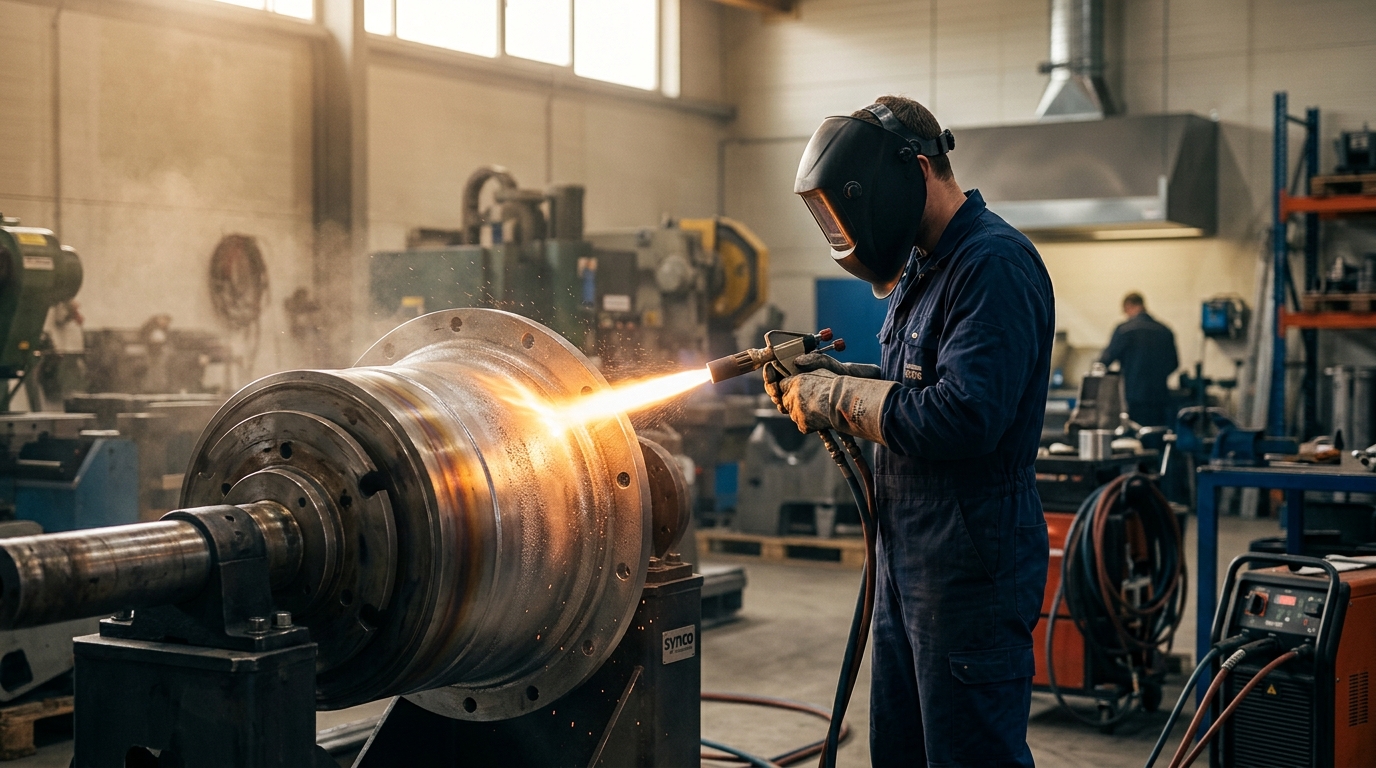
Step-by-Step Guide to Setting Up and Operating Flame Spray Systems for Metallizing
Industrial metallizing via flame spray systems has become a cornerstone of surface engineering, allowing manufacturers to apply durable metallic coatings to components that would otherwise be vulnerable to corrosion, wear, or fatigue. According to recent industrial surface treatment reports, the global thermal spray market is projected to grow significantly through 2026, driven by demand in aerospace, automotive, and heavy machinery sectors. This guide details the precise operational workflow for deploying flame spray technology effectively, ensuring your team achieves consistent, high-adhesion results. (Contact Us 8211 Synco)
Understanding Flame Spray Fundamentals
Flame spray is a thermal spray process where a fuel gas and oxygen mixture is combusted to melt the coating material, which is then propelled onto a substrate. Thermal Spray Systems are distinct from other coating methods because they do not melt the substrate, preserving the base material's structural integrity. Synco Industries specializes in high-performance Arc Spray Systems and Flame Spray Systems designed for industrial reliability.
The primary advantage of flame spray is its portability and ability to coat large or irregularly shaped parts that cannot fit into a vacuum chamber. The process utilizes either wire or powder feedstock. Wire feedstock is common for metals like aluminum, zinc, and bronze, while powder feedstock allows for a wider variety of alloys and ceramics. Understanding the thermodynamics of the flame is critical for achieving the correct particle velocity and temperature.
Safety and Workspace Preparation
Before initiating any setup, safety protocols must be strictly enforced. Flame spray involves high-pressure gases and molten metal, creating significant hazards. Industrial Reliability in this context begins with operator protection.
Personal Protective Equipment (PPE)
Operators must wear heat-resistant gloves, face shields, and respirators rated for metal fumes. The ambient air quality in the spray booth must be monitored to prevent the accumulation of combustible gases. According to occupational safety standards, proper ventilation is required to maintain oxygen levels and remove particulate matter.
Workspace Configuration
Ensure the work area is free of flammable materials. Synco Industries recommends using Thermal Spray Booths to contain overspray and protect the surrounding environment. The booth should have adequate exhaust capacity to handle the specific volume of fumes generated by your chosen feedstock.
Equipment Setup and Calibration
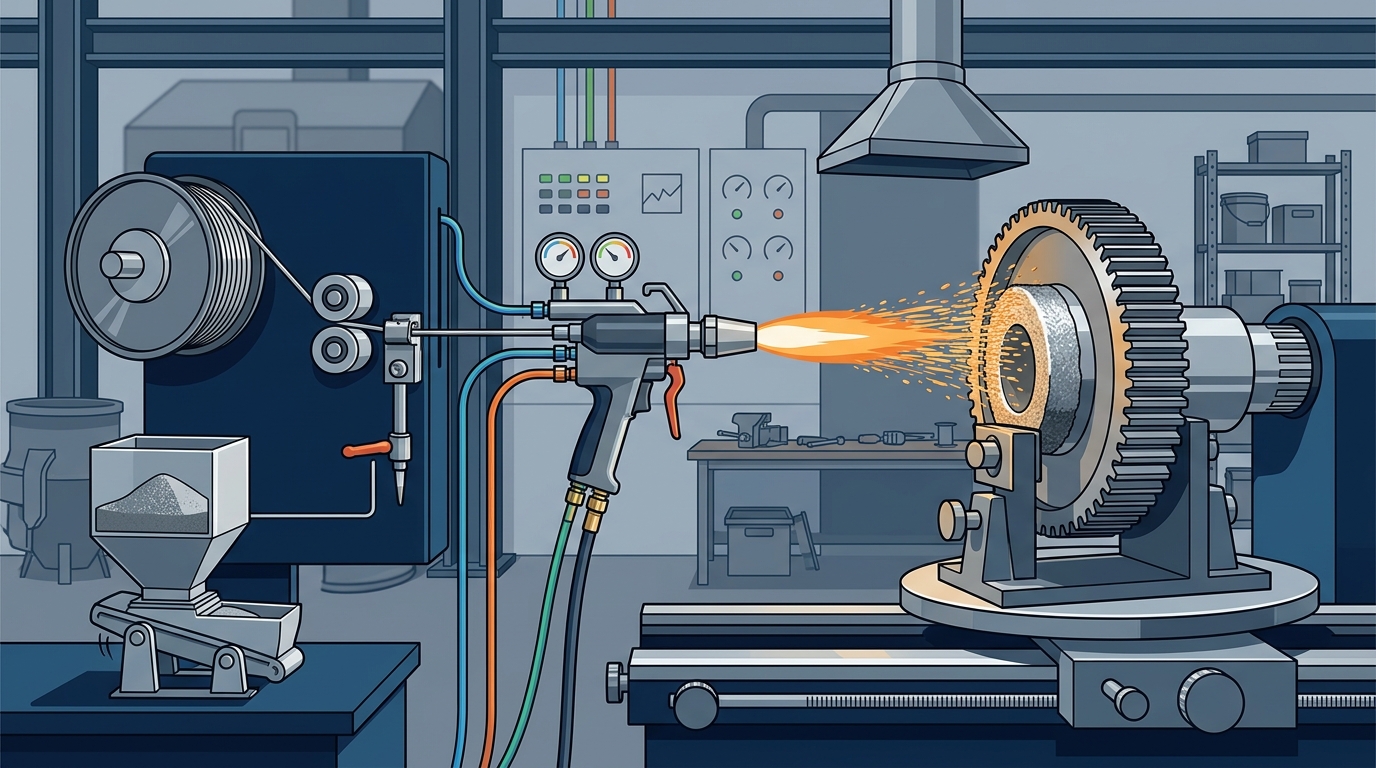
Proper calibration of the flame spray gun is the most critical technical step. Incorrect gas ratios lead to incomplete melting or oxidation of the coating material.
Gas Line Inspection
Check all oxygen and fuel gas lines for leaks using a soap solution or electronic detector. Ensure that the regulators are functioning correctly and that the pressure settings match the manufacturer's specifications for your specific gun model. Synco's S5k Flame Spray System is engineered for precise gas flow control.
Feedstock Loading
For wire feedstock, ensure the wire is straight and free of kinks. Insert the wire into the feed mechanism and adjust the feed rate to match the desired coating thickness. For powder feedstock, load the hopper and ensure the carrier gas pressure is set to prevent clogging. Regular maintenance of Air Assisted Spare Parts ensures consistent performance.
Surface Preparation Protocols
The success of any thermal spray coating depends entirely on the condition of the substrate. Surface preparation is not optional; it is the foundation of adhesion.
Cleaning and Degreasing
Remove all oils, greases, and contaminants from the substrate using chemical cleaners or alkaline solutions. Any residual oil will vaporize during spraying, creating porosity in the coating. Synco Industries emphasizes that Shot Blasting Machines are essential for the next step.
Roughening the Surface
Use Shot Blasting Machines to roughen the substrate surface. This creates a mechanical key for the coating to adhere to. The surface profile should typically be between 2 to 5 microns, depending on the coating material. According to industry data, proper surface roughening can increase coating adhesion strength by up to 50%.
The Spraying Procedure
With the equipment calibrated and the surface prepared, you are ready to begin the spraying process. This phase requires steady hand-eye coordination and consistent travel speed.
Ignition and Flame Adjustment
Ignite the gun according to the manufacturer's instructions. Adjust the flame to a neutral or slightly carburizing state, depending on the material being sprayed. A neutral flame is typically used for most metals to prevent oxidation.
Application Technique
Hold the gun perpendicular to the surface at a consistent distance, usually between 6 to 12 inches. Move the gun at a steady speed to ensure uniform coating thickness. Overlapping passes by approximately 50% ensures complete coverage. For complex geometries, Synco offers Customised Blasting Machines and tailored spray solutions to address specific accessibility challenges.
Monitoring Temperature
Monitor the substrate temperature to prevent warping or altering the base material's properties. If the substrate becomes too hot, pause the spraying process to allow it to cool. Thermal expansion can affect the final dimensions of the part.
Quality Control and Maintenance
Post-spraying inspection is vital to ensure the coating meets specification. Consistent Quality Standards are maintained through rigorous testing protocols.
Adhesion Testing
Perform pull-off adhesion tests using standardized equipment. The coating should adhere strongly to the substrate without delamination. Synco Industries ensures that all our Thermal Spray Equipments are built to withstand high-stress industrial environments.
Porosity and Density Analysis
Use metallographic analysis to check for porosity and inclusions. Low porosity is critical for corrosion-resistant coatings. If porosity is too high, adjust the gas pressure or spray distance in subsequent runs.
Equipment Maintenance
Clean the spray gun nozzle after each use to prevent clogging. Inspect the wear parts regularly and replace them as needed. Synco provides Airless Spare Parts and comprehensive support to keep your operations running smoothly. Our About Us page details our commitment to quality assurance and ISO certification.
Key Takeaways
- Flame spray systems require precise gas ratio calibration for optimal melting and adhesion.
- Synco Industries has been a leader in industrial manufacturing since 1982, serving over 1000 clients globally.
- Surface preparation, including shot blasting, is the most critical factor for coating longevity.
- Proper PPE and ventilation are non-negotiable for safe operation of thermal spray equipment.
- Regular maintenance of Spares ensures consistent performance and reduces downtime.
- Adhesion strength can be significantly improved by achieving the correct surface profile.
- Synco's Thermal Spray Powders are designed for high purity and accurate composition.
Frequently Asked Questions
What is the difference between flame spray and arc spray?
Flame spray uses a combustion of gas to melt the feedstock, while arc spray uses an electrical arc. Flame spray is often preferred for its portability and ability to coat large structures, whereas arc spray offers higher deposition rates.
How do I choose the right feedstock for flame spray?
The choice depends on the desired coating properties such as corrosion resistance, hardness, and temperature tolerance. Synco offers a range of Metal Powder and wire options to suit various industrial applications.
What is the typical lifespan of a flame spray gun?
The lifespan varies based on usage frequency and maintenance. With proper care and regular replacement of wear parts, a flame spray gun can last for thousands of hours of operation.
Can flame spray be used on heat-sensitive materials?
Yes, but care must be taken to control the heat input. Low-heat flame spray techniques and intermittent spraying can minimize thermal damage to the substrate.
Does Synco Industries provide training for flame spray systems?
Yes, Synco provides comprehensive support and training to ensure operators can utilize our Flame Spray Systems effectively and safely.
What certifications do Synco's thermal spray systems hold?
Synco's machines are CE certified and manufactured under ISO quality management systems, ensuring compliance with international safety and performance standards.
Ready to Enhance Your Surface Finishing?
Optimize your metallizing process with Synco Industries' precision-engineered flame spray systems. Our team of experts is ready to assist you with customized solutions, technical support, and high-quality consumables. Contact Us today to schedule a consultation or request a free quote for your specific industrial needs.